Scientific Sessions
PACCON 2027
Chulalongkorn University(CU), Thailand
The Analytical Chemistry section showcases advances in fundamental principles, state-of-the-art methodologies, and innovative applications. Covering areas such as separation science, spectroscopy, mass spectrometry, bioanalytical chemistry, and AI-driven approaches, it emphasizes both innovation and real-world impact. Applications span environmental monitoring, pharmaceuticals, food and beverage analysis, clinical diagnostics, and forensic science. The scope of this section is outlined below.
- State-of-the-Art Analytical Techniques and Methodologies
- Instrumentation, Sensors, and Automation
- Microscale and Nanoscale Analytical Systems
- Sample Preparation and Pre-treatment Techniques
- Separation Science: Chromatography and Electrophoresis
- Spectroscopy and Optical Techniques
- Electroanalytical Chemistry and Sensing
- Mass Spectrometry and Hyphenated Techniques
- Bioanalytical Chemistry and Omics Applications
- Artificial Intelligence, Chemometrics, and Interdisciplinary Applications
Chair
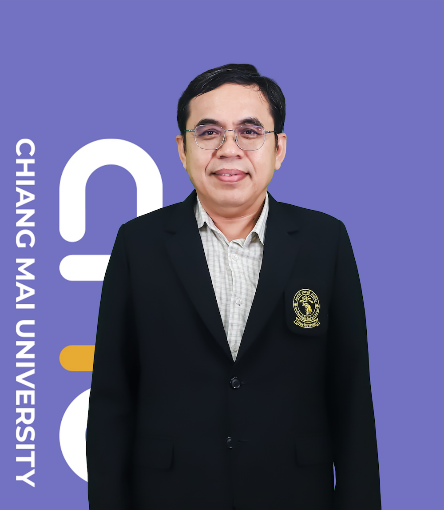
Assoc. Prof. Dr. Jaroon Jakmunee
Chiang Mai University (CMU), Thailand
Co-Chairs
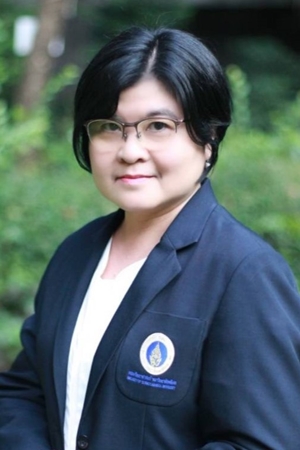
Assoc. Prof. Dr. Duangjai Nacapricha
Mahidol University (MU), Thailand

Prof. Dr. Purim Jarujamrus
Ubon Ratchathani University (UBU), Thailand

Prof. Dr. Warakorn Limbut
Prince of Songkla University (PSU), Thailand
The Catalytic Chemistry section welcomes contributions describing advancements in heterogeneous and homogeneous catalysis, which report studies in fundamental and/or application-based aspects of catalysis. The section focuses on, but is not limited to, the following areas of interest:
- Catalysis of porous materials
- Catalysis related to the environment
- Photocatalysis
- Electrocatalysis
- Synthesis using organometallic compounds as homogeneous catalysts
- Catalysis related to the synthesis of organic, medicine, etc.
- Molecular simulation for catalysis
- Machine learning for catalyst discovery
Chair
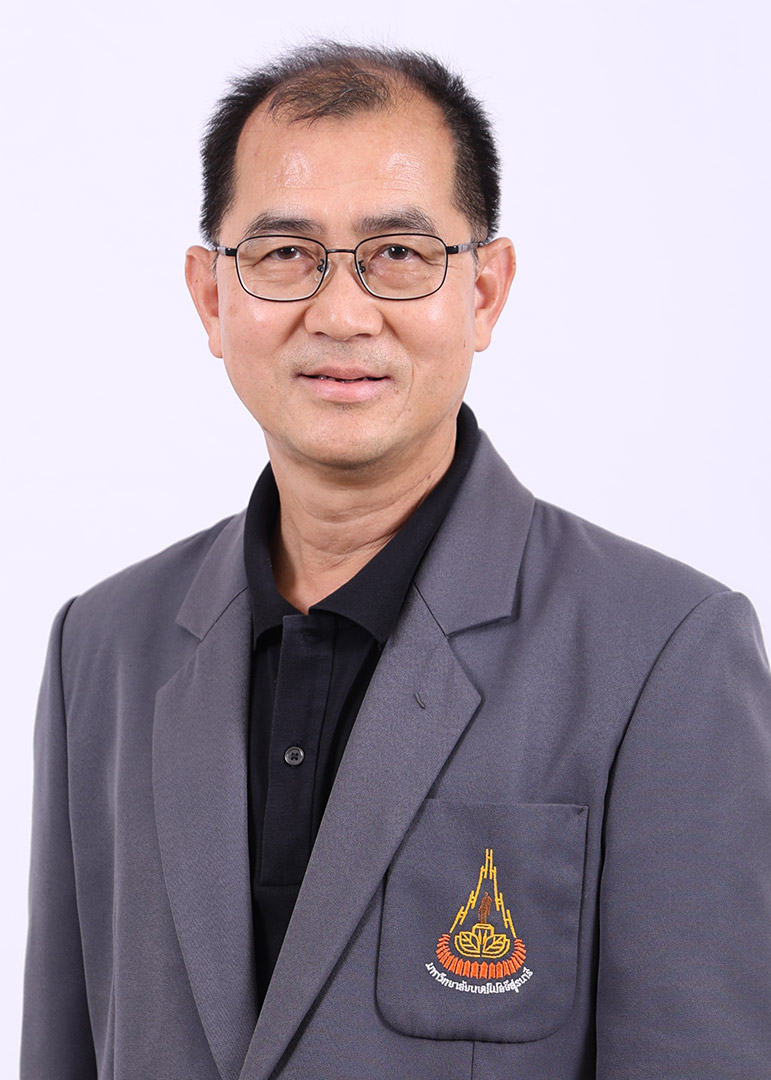
Prof. Dr. Jatuporn Wittayakun
Suranaree University of Technology (SUT), Thailand
Co-Chairs
Assoc. Prof. Supareak Praserthdam
Chulalongkorn University (CU), Thailand
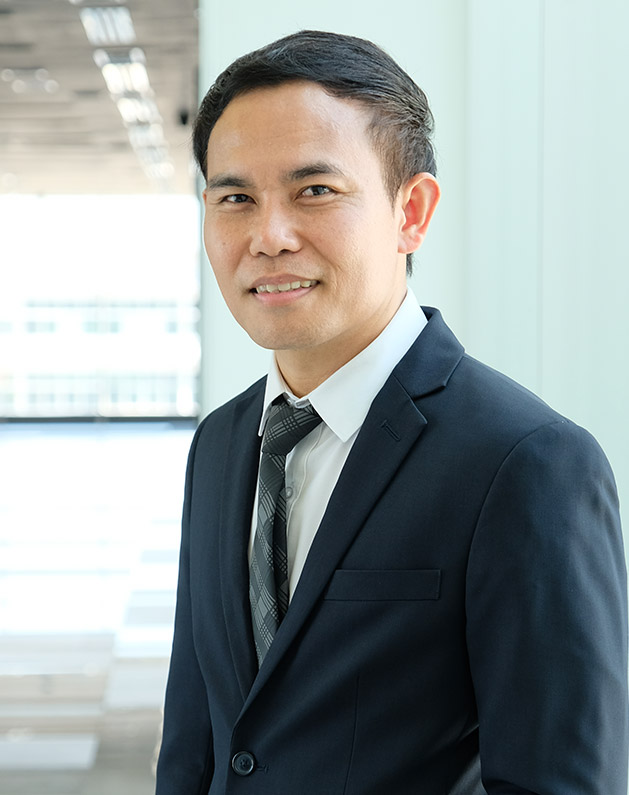
Dr. Pongtanawat Khemthong
National Nanotechnology Center (NANOTEC), Thailand
Novel educational ideas, innovative approaches, pedagogical advances, educational research, and emerging practices in chemistry teaching and learning. The session welcomes contributions ranging from classroom and laboratory innovations to research-based approaches that connect chemistry with real-world applications, sustainability, health, technology, and future workforce needs.
Subscopes include:
- Innovative chemistry teaching and learning approaches
- Chemistry education research and evidence-based pedagogy
- Innovative and low-cost chemistry laboratory experiments
- Digital technologies, AI, and emerging technologies in chemistry education
- Inquiry-, problem-, project-, and research-based chemistry learning
- Chemistry education for sustainability, health, longevity, and well-being
- Connecting chemistry learning with everyday life, industry, and society
- Development and evaluation of chemistry learning materials, tools, and resources
- Assessment, conceptual understanding, and students’ learning outcomes
- Teacher education and professional development in chemistry
- STEM, interdisciplinary, and future-ready chemistry education
- Other emerging topics and innovations relevant to chemistry education
Presentations may include research studies, innovative teaching practices, classroom or laboratory activities, educational resources, demonstrations, or invited perspectives from academia, schools, industry, and government.
Chair
Assoc. Prof. Dr. Chatree Faikhamta
Kasetsart University (KU), Thailand
Co-Chairs
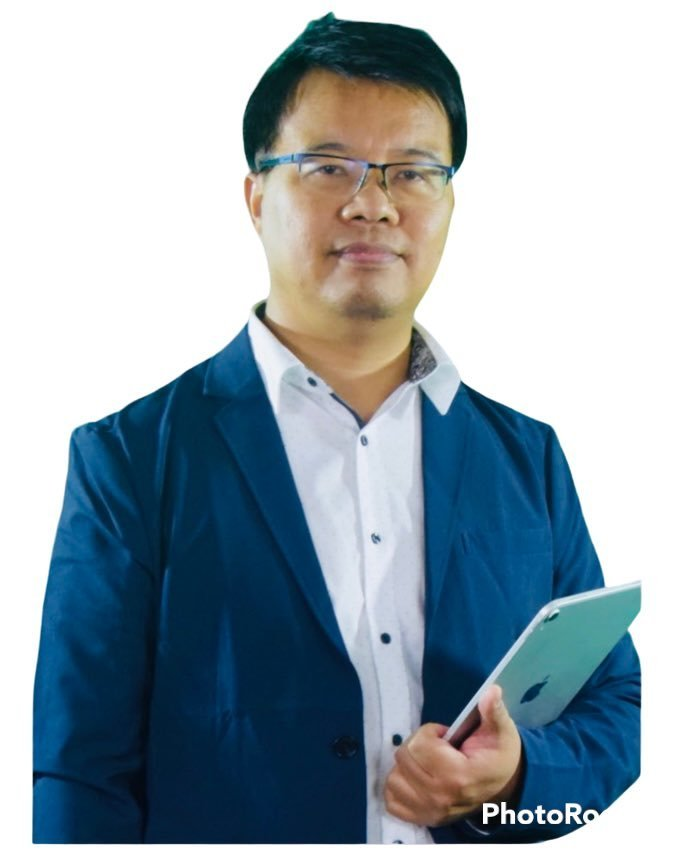
Assoc. Prof. Dr. Saksri Supasorn
Ubon Ratchathani University (UBU), Thailand
The Environmental Chemistry and Renewable Energy section welcomes research on chemical and physicochemical processes that contribute to environmental protection, pollution prevention and remediation, resource recovery, and sustainable energy. The section covers the occurrence, analysis, fate, transport, transformation, treatment, and impacts of contaminants in air, water, soil, sediment, and groundwater. It also encompasses chemical and physicochemical aspects of renewable energy generation, conversion, storage, and utilization. Contributions addressing environmental monitoring, circularity, climate-related processes, and the sustainability of environmental and energy technologies are also encouraged.
Topics of interest include, but are not limited to:
- Water and wastewater chemistry, water quality, monitoring, and treatment, including groundwater contamination and remediation
- Atmospheric and air pollution chemistry, air quality, climate-related processes, monitoring, and emission control
- Soil and sediment chemistry, contamination, monitoring, risk assessment, and remediation
- Sources, occurrence, fate, transport, transformation, exposure, and impacts of pollutants across environmental matrices
- Contaminants of emerging concern, including pharmaceutical residues, microplastics, and PFAS, as well as persistent organic pollutants
- Resource recovery, waste valorization, circular economy, and waste-to-energy technologies
- Renewable energy generation, conversion, and utilization, including solar energy, biomass, biofuels, and renewable hydrogen
- Energy storage technologies, including batteries, supercapacitors, hydrogen storage, and thermal energy storage
- Carbon capture, utilization, and storage
- Life cycle assessment, techno-economic analysis, and sustainability assessment of environmental and energy technologies
Chair
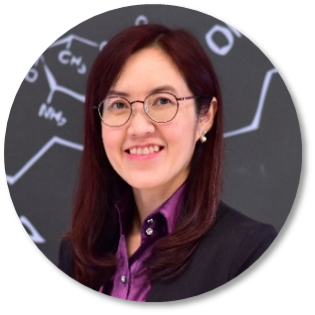
Assoc. Prof. Dr. Somporn Chantara
Chiang Mai University (CMU), Thailand
Co-Chairs
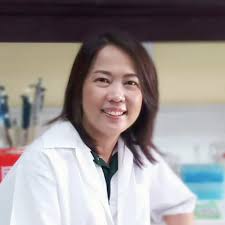
Asst. Prof. Dr. Duangduean Thepnuan
Chiang Mai Rajabhat University (CMRU), Thailand
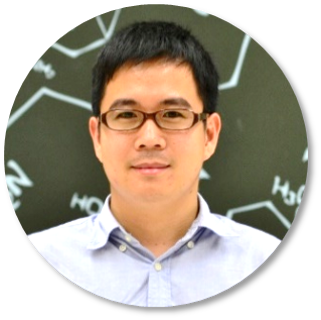
Asst.Prof. Dr. Pumis Thuptimdang
Chiang Mai University (CMU), Thailand
The Food, Agriculture, and Cosmetics session highlights recent advances in chemistry, biochemistry, and related interdisciplinary sciences underlying food, agricultural, and cosmetic research, with particular emphasis on the development, validation, and application of modern analytical methodologies and emerging technologies.
The session welcomes research on, but not limited to:
- Food Chemistry and Nutrition: Major and minor components, nutrition, sensory and flavour chemistry
- Bioactive Compounds: Antioxidants, phytochemicals, botanicals, and functional ingredients
- Food Safety and Agricultural Chemistry: Food additives, contaminants, agrochemicals, residues, and toxicology
- Advanced Materials and Nanotechnology: Novel materials, nano-enabled technologies, and delivery systems for food, agriculture, and cosmetics
- Analytical Science: Advanced analytical methodologies, spectroscopy, chromatography, mass spectrometry, sensors, and emerging analytical technologies
- Cosmetic Science and Safety: Cosmetic ingredients, formulations, efficacy, quality control, safety assessment, and toxicological studies
Chair
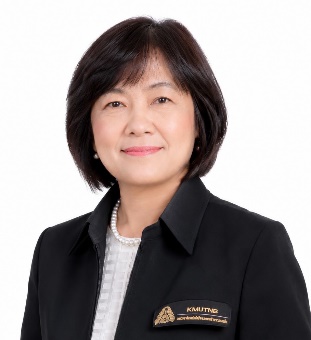
Prof. Dr. Vilai Rungsardthong
King Mongkut's University of Technology North Bangkok (KMUTNB), Thailand
Co-Chairs
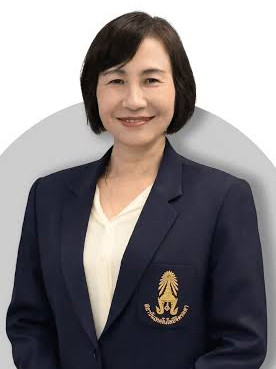
Assoc. Prof. Dr. Benjawan Thumthanaruk
Chitralada Technology Institute (CDTI), Thailand
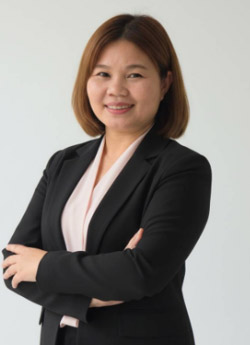
Asst. Prof. Dr. Yuree Wandee
King Mongkut's University of Technology Thonburi (KMUTT), Thailand
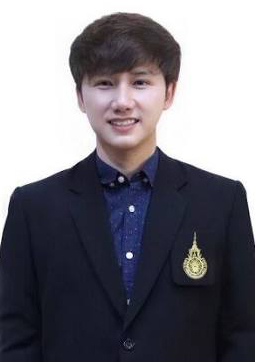
Assoc. Prof. Dr. Korawinwich Boonpisuttinant
Rajamangala University of Technology Thanyaburi (RMUTT), Thailand
The section of inorganic chemistry encompasses a wide range of topics within the field with a particular focus on the synthesis and study of molecular systems with interesting optical, magnetic, redox and structural properties, with applications in catalysis, sensing, molecular devices and medicine. The scope of this section welcomes the following areas:
- Coordination and main-group chemistry
- Metal-organic frameworks
- Bioinorganic chemistry
- Organometallic chemistry
- Catalytic chemistry
- Supramolecular chemistry
Chair
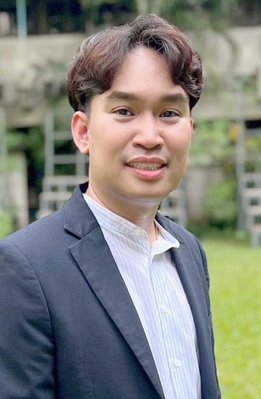
Assoc. Prof. Dr. Thanthapatra Bunchuay
Mahidol University (MU), Thailand
Co-Chairs
Assoc. Prof. Dr. David Harding
Suranaree University of Technology (SUT), Thailand
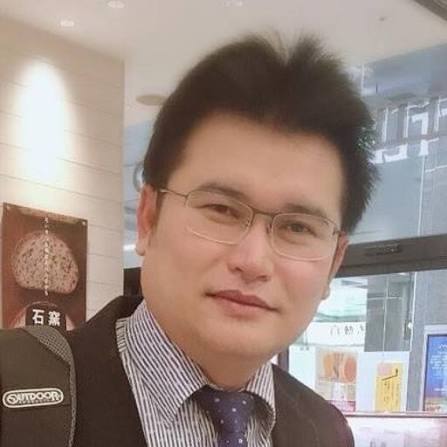
Assoc. Prof. Dr. Kittipong Chainok
Thammasat University (TU), Thailand
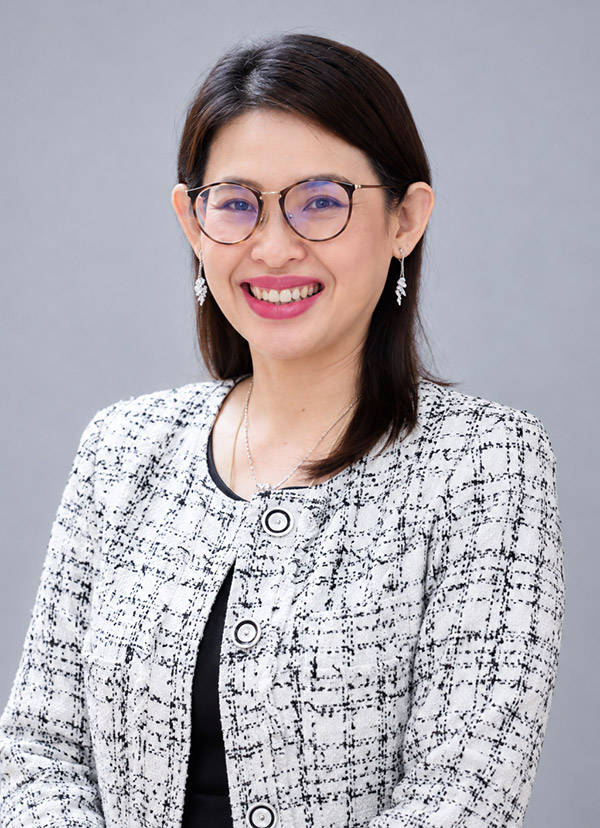
Prof. Dr. Nantanit Wanichacheva
Silpakorn University (SU), Thailand
The section of Industrial and Engineering Chemistry encompasses all branches of leveraging chemistry for sustainable economic growth in the industrial sector, especially the bio-circular and green BCG economy. The Sustainable Development Goal (SDG) is also considered to be one of the core aspects of this section. Emerging digital transformation for industrial and engineering chemistry is included. Initiations of Industrial engagement in engineering and applied chemistry education are discussed for the purpose of experience sharing and networking. The scope of this section welcomes the following areas:
- Advanced chemistry for BCG economy
- Industrial & Engineering Chemistry for SDG
- Chemistry innovation for sustainable process industries
- Digital Transformation for Industrial & Engineering Chemistry
- Industrial and Engineering Fundamental & Application
- Industrial engagement for engineering & applied chemistry education
Chair
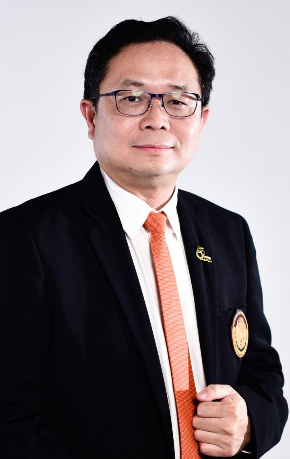
Prof. Dr. Wisanu Pecharapa
King Mongkut's Institute of Technology Ladkrabang (KMITL), Thailand
Co-Chairs
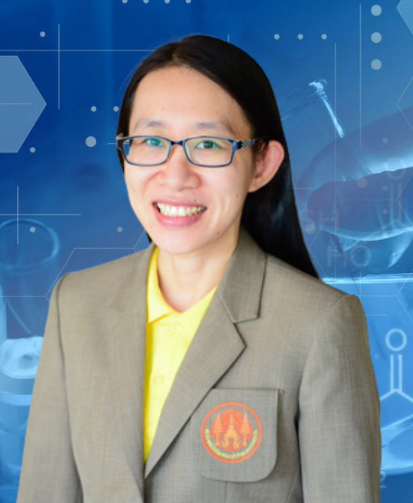
Assoc. Prof. Dr. Kanokthip Boonyarattanakalin
King Mongkut's Institute of Technology Ladkrabang (KMITL), Thailand
The "Materials Science and Nanotechnology" session highlights the interdisciplinary intersections of chemistry, physics, materials science, and nanoscale engineering. This section welcomes submissions across a broad range of topics, including but not limited to:
- Materials Synthesis & Processing: Advanced synthesis, nanofabrication, thin-film deposition, lithography, and interface engineering.
- Functional Nanomaterials: Design, structural functionalization, and chemistry of 2D, carbon-based, and framework materials (e.g., quantum dots, carbon dots, COFs, MOFs, MOCs).
- Energy & Sustainability: Next-generation semiconductor, electronic, photonic, energy storage, energy conversion, and environmental materials alongside related devices (e.g., OLEDs, solar cells, sensors, batteries, supercapacitors).
- Smart & Responsive Systems: Development of multifunctional, adaptive, and bio-interfaced nanomaterials.
- Computational Science: AI-driven materials discovery, predictive informatics, and multi-scale modeling.
Chair
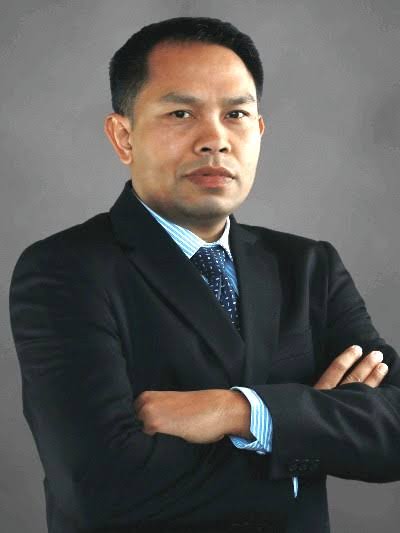
Prof. Dr. Vinich Promarak
Vidyasirimedhi Institute of Science and Technology (VISTEC), Thailand
Co-Chairs
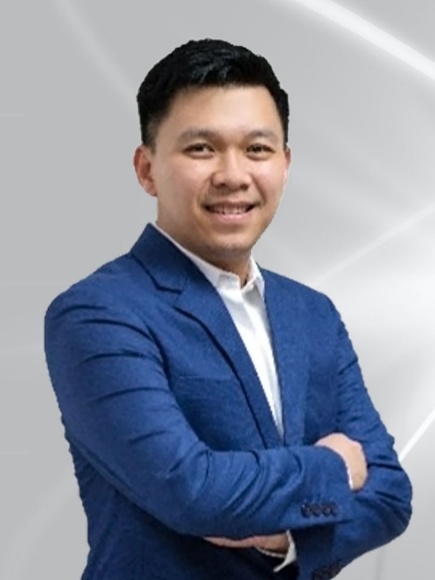
Assoc. Prof. Dr. Apirat Laobuthee
Kasetsart University (KU), Thailand
Assoc. Prof. Dr. Kontad Ounnunkad
Chiang Mai University (CMU), Thailand
Assoc. Prof. Dr. Pawin Iamprasertkun
Sirindhorn International Institute of Technology (SIIT), Thammasat University, Thailand
The section of Natural Products, Biological Chemistry and Chemical Biology focuses on discovery, isolation and characterization, biosynthesis, biosynthetic engineering, bioactivity, and pharmaceutical and other applications of natural compounds. The scope of this section welcomes the following areas:
- Natural Products, Isolation, Structural elucidation, Biological Activities, and Synthesis
- Chemical studies of herbal medicine and cosmetics
- Biological Chemistry and Chemical Biology: Computational Biochemistry, Drug Design and Synthesis, Molecular Biology, Synthetic Biology and Studies at the Chemistry-Biology Interface
- Metabolomics or proteomics research, and mechanism of actions of natural products and derivatives
Chair
Prof. Dr. Prasat Kittakoop
Chulabhorn Graduate Institute (CGI), Thailand
Co-Chairs
Prof. Dr. Preecha Phuwapraisirisan
Chulalongkorn University (CU), Thailand
Organic Synthesis and Medicinal Chemistry Session covers fundamental and applied research in the design, synthesis, characterization, and application of organic molecules, with particular emphasis on the development of new synthetic concepts and methods and the discovery of biologically active compounds. The section welcomes research ranging from fundamental organic chemistry to interdisciplinary applications in medicinal chemistry, chemical biology, and related fields.
The scope includes, but is not limited to:
- Synthetic methodology and reaction development
- Total synthesis and synthesis of complex organic molecules and natural products
- Green and sustainable organic synthesis, including catalysis, electrochemistry, flow chemistry, and resource-efficient processes
- Mechanistic, physical organic, theoretical and computational chemistry, and AI-assisted molecular design and synthesis
- Medicinal chemistry and drug discovery
- Chemical biology, molecular probes, and bioorthogonal chemistry
- Bioactive molecules, and their synthetic analogues
Chair
Prof. Dr. Tirayut Vilaivan
Chulalongkorn University (CU), Thailand
Co-Chairs
Assoc. Prof. Dr. Kwanruthai Tadpetch
Prince of Songkla University (PSU), Thailand
This session aims to provide a platform for polymer chemists to meet and share their research and development in the areas such as the following:
- Polymer Synthesis and Reactions
- Polymer Characterization
- Polymer Rheology and Properties
- Hybrid Polymers, Blends and Composites
- Industrial Polymers
- Polymers for Advanced Technologies and Applications
- Biobased Polymers, Rubbers/Elastomers and Bioplastics
Chair

Prof. Dr. Suwabun Chirachanchai
Chulalongkorn University (CU), Thailand
Co-Chairs
Prof. Dr. Voravee Hoven
Chulalongkorn University (CU), Thailand

Assoc. Prof. Dr. Winita Punyodom
Chiangmai University (CMU), Thailand
Prof. Dr. Rangrong Yoksan
Kasetsart University (KU), Thailand
The Physical and Theoretical Chemistry section focuses on understanding the physical properties of atoms, molecules, and materials, as well as the mechanisms of chemical processes through experimental, theoretical, and computational approaches. The section welcomes research covering both fundamental and applied aspects of physical and theoretical chemistry.
The scope includes, but is not limited to:
- Quantum Chemistry and Electronic Structure
- Molecular Spectroscopy and Photochemistry
- Chemical Thermodynamics, Kinetics, and Reaction Mechanisms
- Theoretical and Computational Catalysis
- Computational Materials Science
- Molecular Modeling and Simulation
- Physical Chemistry of Materials, Surfaces, and Interfaces
- Electrochemistry and Interfacial Chemistry
- Machine Learning in Chemistry
- Computational Studies of Biological Systems and Drug Design
Chair
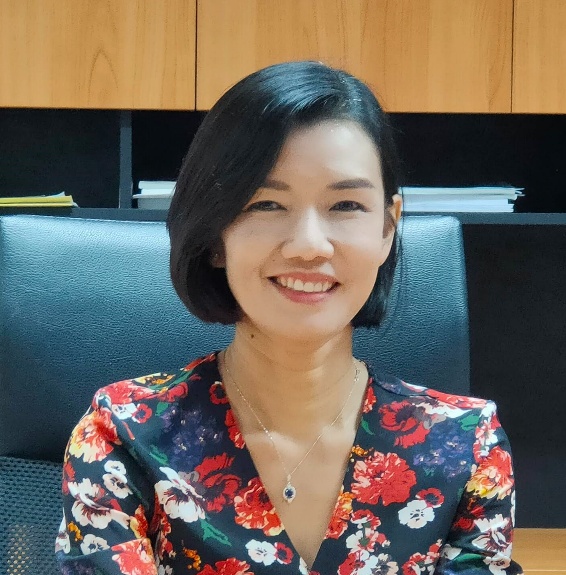
Prof. Dr. Siriporn Jungsuttiwong
Ubon Ratchathani University (UBU), Thailand
Co-Chairs
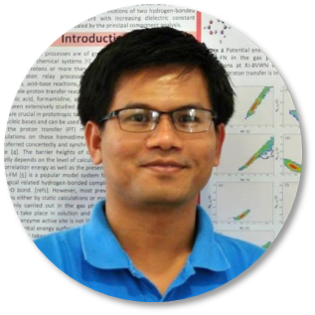
Assoc. Prof. Dr. Nawee Kungwan
Chiang Mai University (CMU), Thailand
Assoc. Prof. Dr. Thanyada Rungrotmongkol
Chulalongkorn University (CU), Thailand
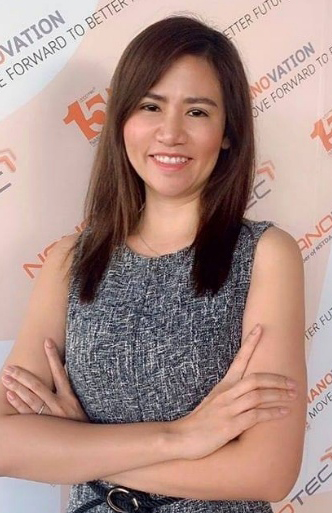
Dr. Supawadee Namuangruk
National Nanotechnology Center (NANOTEC), Thailand